
About Dental Implants
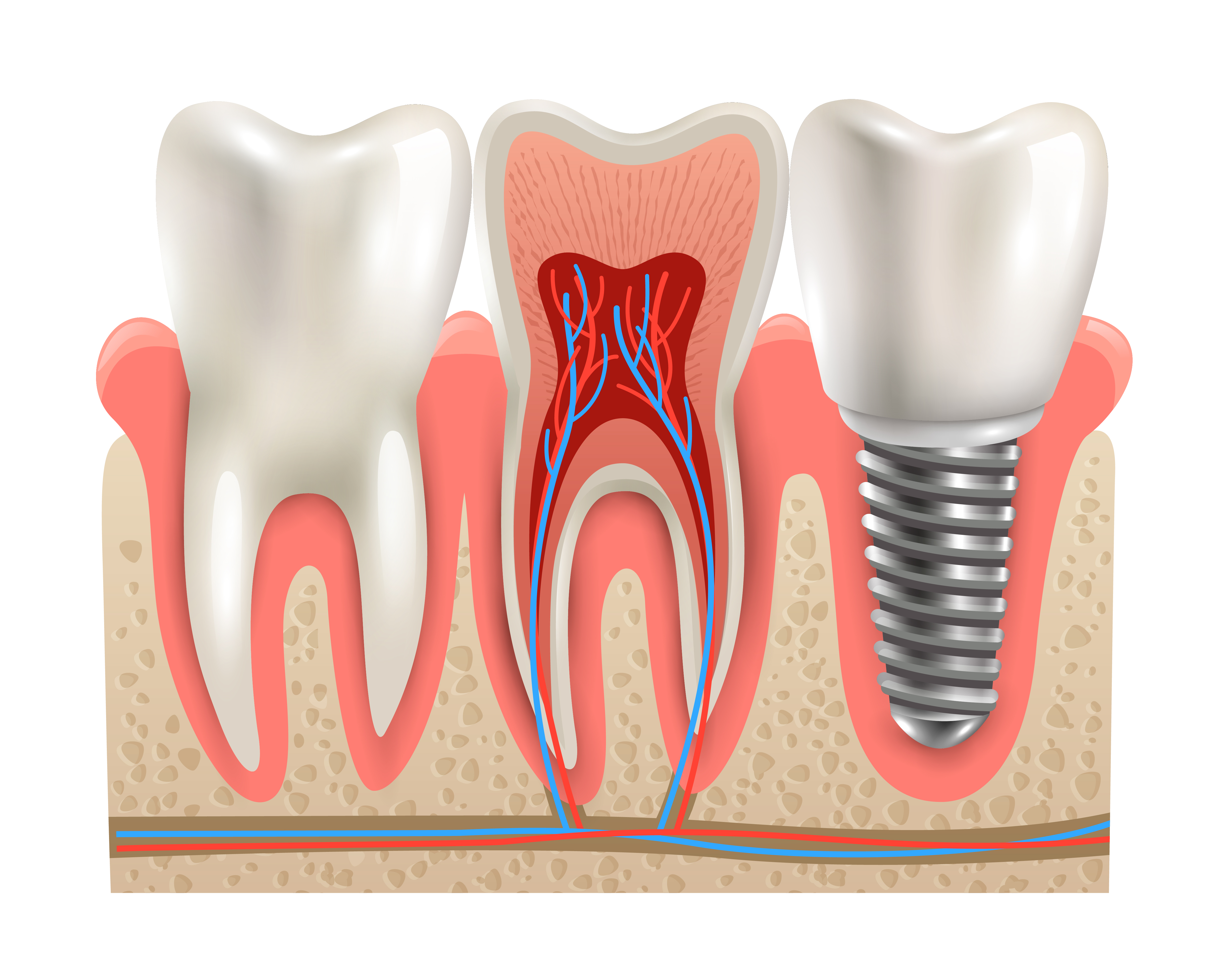
Dental implants are used to replace missing teeth by placing a small implant into the jawbone to support a replacement tooth. Unlike removable dentures, implants are designed to integrate with the surrounding bone and provide a stable foundation for a crown or other restoration.
Implant treatment involves careful assessment and planning, including consideration of your oral health and the amount of available bone. Our dentists will explain the process, expected timeframe and suitable options based on your individual needs.
Preserves Jawbone Density
Implants stimulate the jawbone just like natural roots, preventing facial sagging caused by missing teeth.
Supporting Your Chewing Function
Eat whatever you love without sticky adhesives, slipping dentures, speech lisps, or dietary restrictions.
Protects Adjacent Teeth
Unlike traditional bridges that require grinding down healthy neighboring teeth, an implant stands entirely on its own.
Lifelong Durability
With routine brushing, flossing, and 6-monthly check-ups, dental implants can easily last for the rest of your life.
The Dental Implant Procedure
Assessment & Treatment Planning
Your dentist will assess your teeth, gums and jawbone to determine whether implants may be suitable. Dental imaging, including CBCT scans where indicated, may be used to help plan treatment.
Implant Placement
The implant is placed into the jawbone under local anaesthetic. Your dentist will explain the procedure and discuss what to expect before treatment begins.
Healing & Integration
Over the following weeks or months, the implant gradually integrates with the surrounding bone. Healing time varies depending on the individual and the treatment required.
Replacement Tooth Placement
Once the implant is ready, a replacement tooth or crown is fitted and adjusted to support comfortable biting and chewing.
Important Surgical Risk Information
This surgical service carry potential risks, including pain, swelling, bleeding, infection, delayed healing and possible damage to nearby structures. Depending on the procedure, nerve injury, dry socket or other complications may occur.
Individual risks and outcomes vary. Your dentist will discuss the potential benefits, risks and alternatives with you before treatment. Informed consent will be obtained before proceeding.