
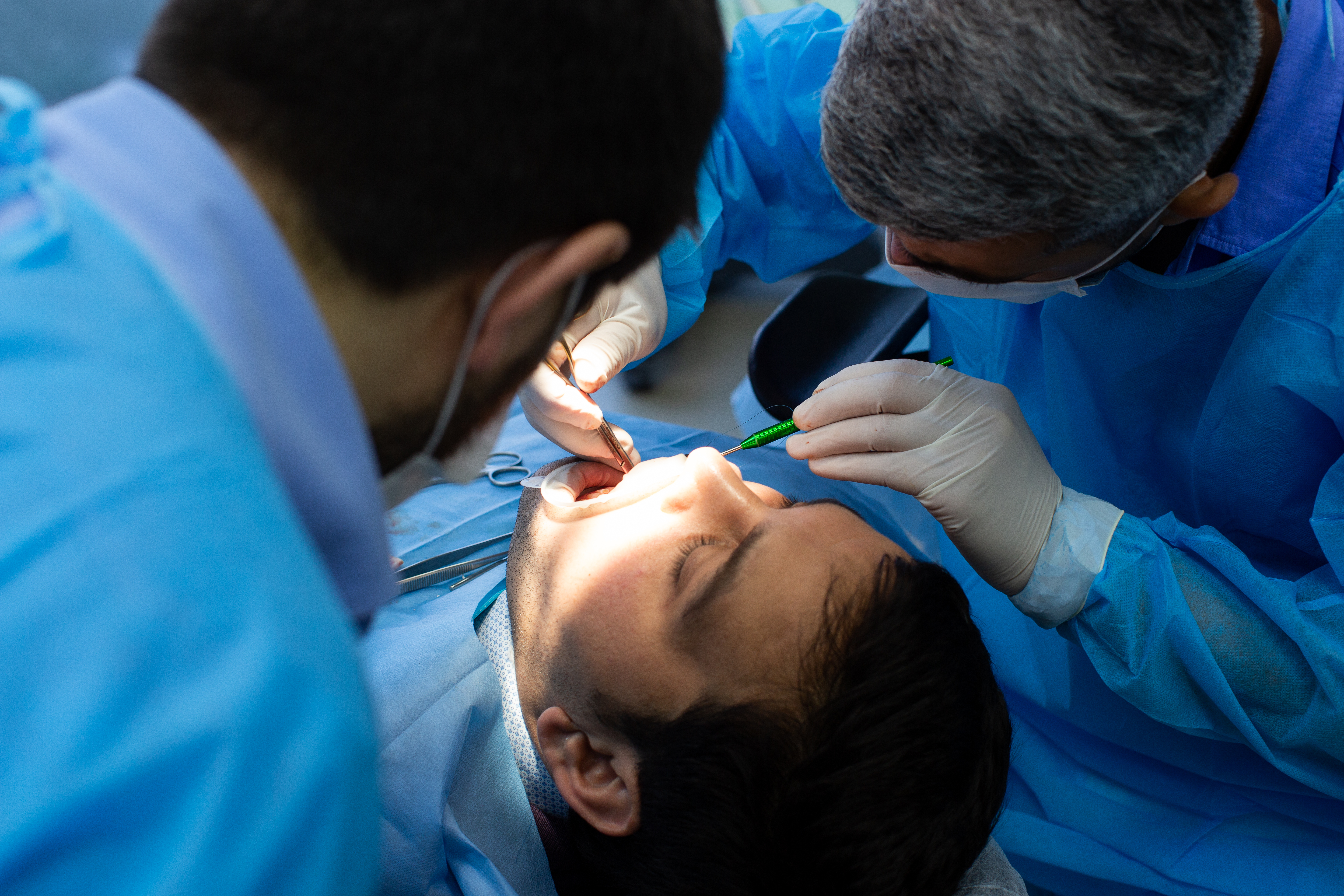
About Wisdom Teeth Removal
Wisdom teeth are the third molars at the back of the mouth, which commonly emerge during the late teens or early twenties. Sometimes there isn’t enough room for them to come through properly, causing them to become impacted or difficult to clean.
Depending on their position and condition, wisdom teeth can contribute to pain, swelling, infection or problems affecting nearby teeth. Your dentist will assess the area and may recommend dental imaging to help determine whether removal is necessary.
The Wisdom Teeth Removal Process
Consultation & Assessment
Your dentist will examine your wisdom teeth and surrounding gums. Dental X-rays or other imaging may be recommended to assess their position and plan treatment.
Preparing for Treatment
Your dentist will explain the procedure, discuss local anaesthetic and answer any questions about comfort, risks and recovery.
Wisdom Tooth Removal
Depending on the tooth's position, removal may be straightforward or require a surgical approach. Your dentist will explain what your procedure involves beforehand.
Recovery & Aftercare
You'll receive instructions on caring for the area after treatment, managing discomfort and swelling, and recognising signs that you may need further advice or review.
Important Surgical Risk Information
This surgical service carry potential risks, including pain, swelling, bleeding, infection, delayed healing and possible damage to nearby structures. Depending on the procedure, nerve injury, dry socket or other complications may occur.
Individual risks and outcomes vary. Your dentist will discuss the potential benefits, risks and alternatives with you before treatment. Informed consent will be obtained before proceeding.